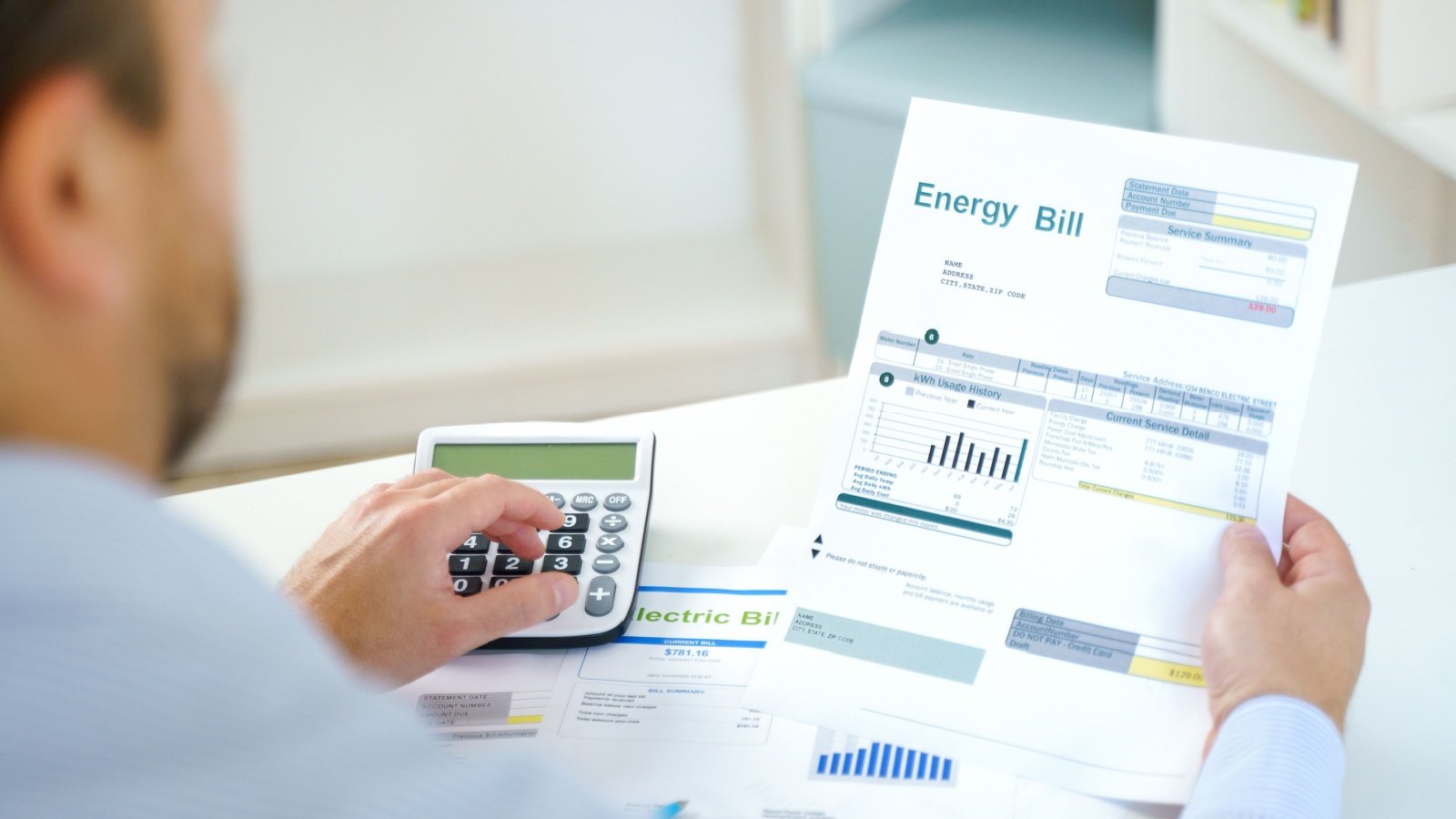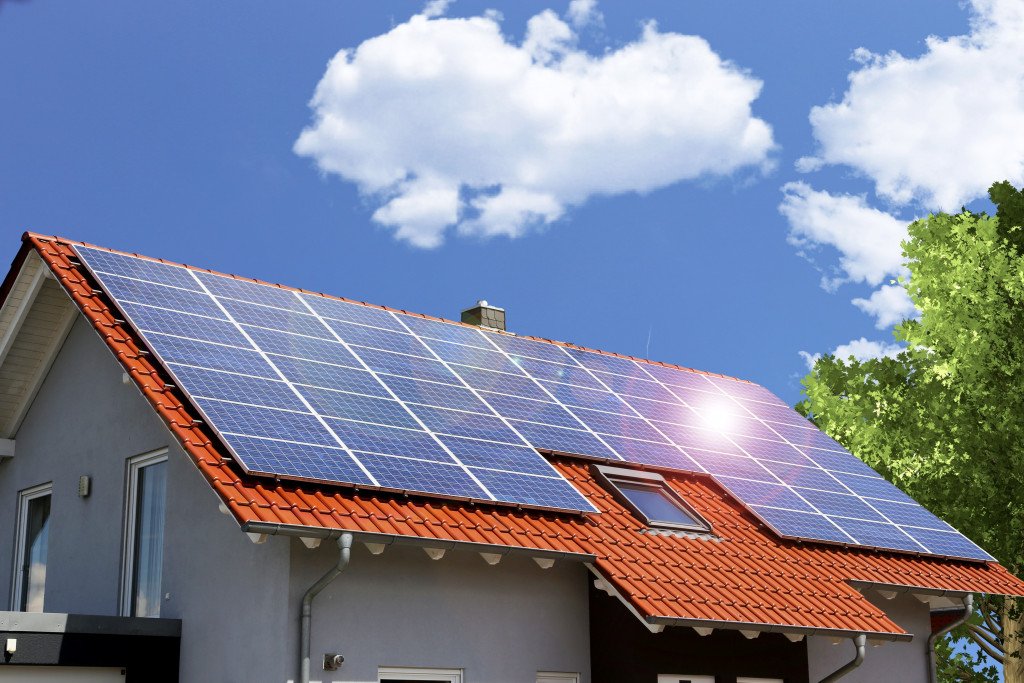
Solar panels are appearing on rooftops across Pakistan at a remarkable pace — and net metering is the policy that makes them pay off. Instead of just cutting your daytime usage, net metering lets you sell your surplus electricity back to the grid and get credit for it. Here is how it works, how to get it, and whether the maths works for you.
What net metering actually is
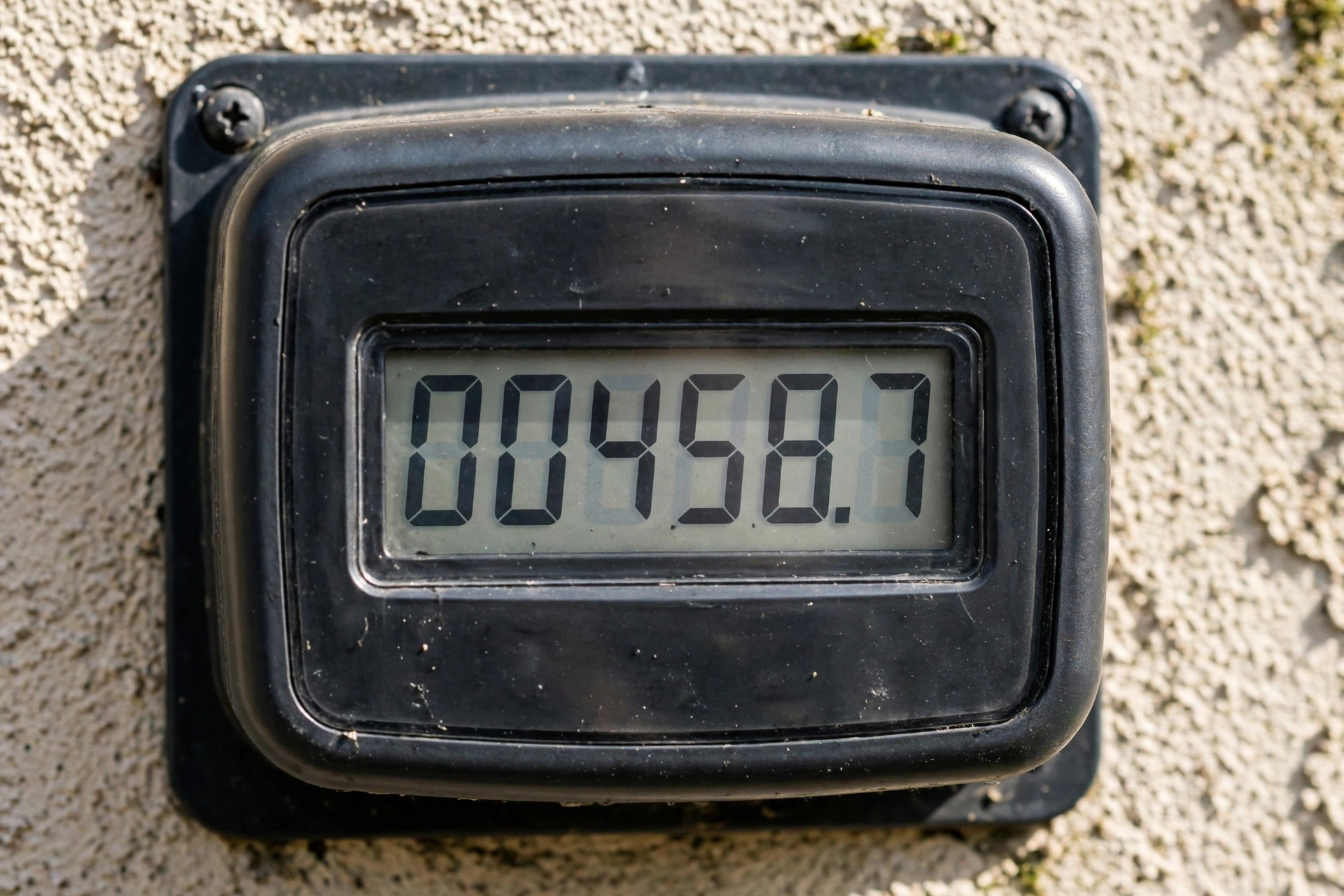
Under net metering, your DISCO installs a bidirectional (import/export) meter at your premises. During the day your solar system powers your home and the extra units flow out to the grid; at night you draw power back from the grid as usual. At billing time, the exported units are netted against the imported ones — you are billed only for the net units. If you export more than you import in a month, the credit typically carries forward.
How to apply through your DISCO
1. Apply to your distribution company (LESCO, IESCO, K-Electric or whichever serves you) with the net metering application form, your CNIC, latest paid bill and system details.
2. Technical feasibility check. The company inspects your premises and the local transformer to confirm the grid can take your exported power.
3. Install the solar system through a certified installer, following the company’s technical standards (approved inverter, proper earthing, safety disconnects).
4. Generation licence. Systems up to 25 kW are generally covered under simplified rules; larger systems need a NEPRA generation licence.
5. Bidirectional meter installation. The DISCO installs and seals the import/export meter, tests the system, and issues the net metering agreement.
The process commonly takes a few weeks to a few months depending on the company and the backlog. Use only installers familiar with your DISCO’s net metering requirements — paperwork mistakes are the biggest cause of delays.
What it costs
The main cost is the solar system itself: panels, inverter, mounting structure and wiring. A typical 5 kW domestic system and a 10 kW system for a larger house differ mainly in panel count and inverter size. On top of that, the DISCO charges for the bidirectional meter and the application processing. Prices for equipment fluctuate with the dollar rate, so get fresh quotes — but the overall trend over the last decade has been downward for panels.
The buyback maths: is it worth it?
The key question is the payback period: how long until the savings cover the system cost. Rough logic:
• A household with a high monthly bill (say 600–1,000+ units) saves the most, because solar wipes out the expensive upper-slab units first — the same slabs that make summer bills so painful.
• Exported units are typically credited at a lower rate than the retail tariff you pay for imports, so sizing the system to your own daytime consumption gives the best return.
• With current tariffs, well-sized domestic systems commonly pay for themselves in roughly 3 to 5 years, then generate essentially free daytime power for the rest of their 20+ year life.
Things to check before you commit
• Roof space and shading: panels need unshaded south-facing space; neighbouring buildings and trees matter.
• Sanctioned load: your connection’s sanctioned load may need enhancement for a bigger system.
• Maintenance: panels need occasional cleaning (dust cuts output noticeably in Pakistani cities) and the inverter may need replacement once in the system’s life.
• Net metering vs off-grid: net metering keeps you grid-connected, so you still have power at night and on cloudy days — no batteries needed. Pure off-grid systems need expensive battery banks and suit only areas without reliable grid supply.
The bottom line
If your bills are consistently high and you own your roof, net metering is one of the most financially sound home investments available in Pakistan today. Start by checking your current consumption pattern — look up your recent bills to see your average units — then size the system to match. And while the panels are being installed, squeeze every unit you can from efficiency first with our bill-reduction guide.