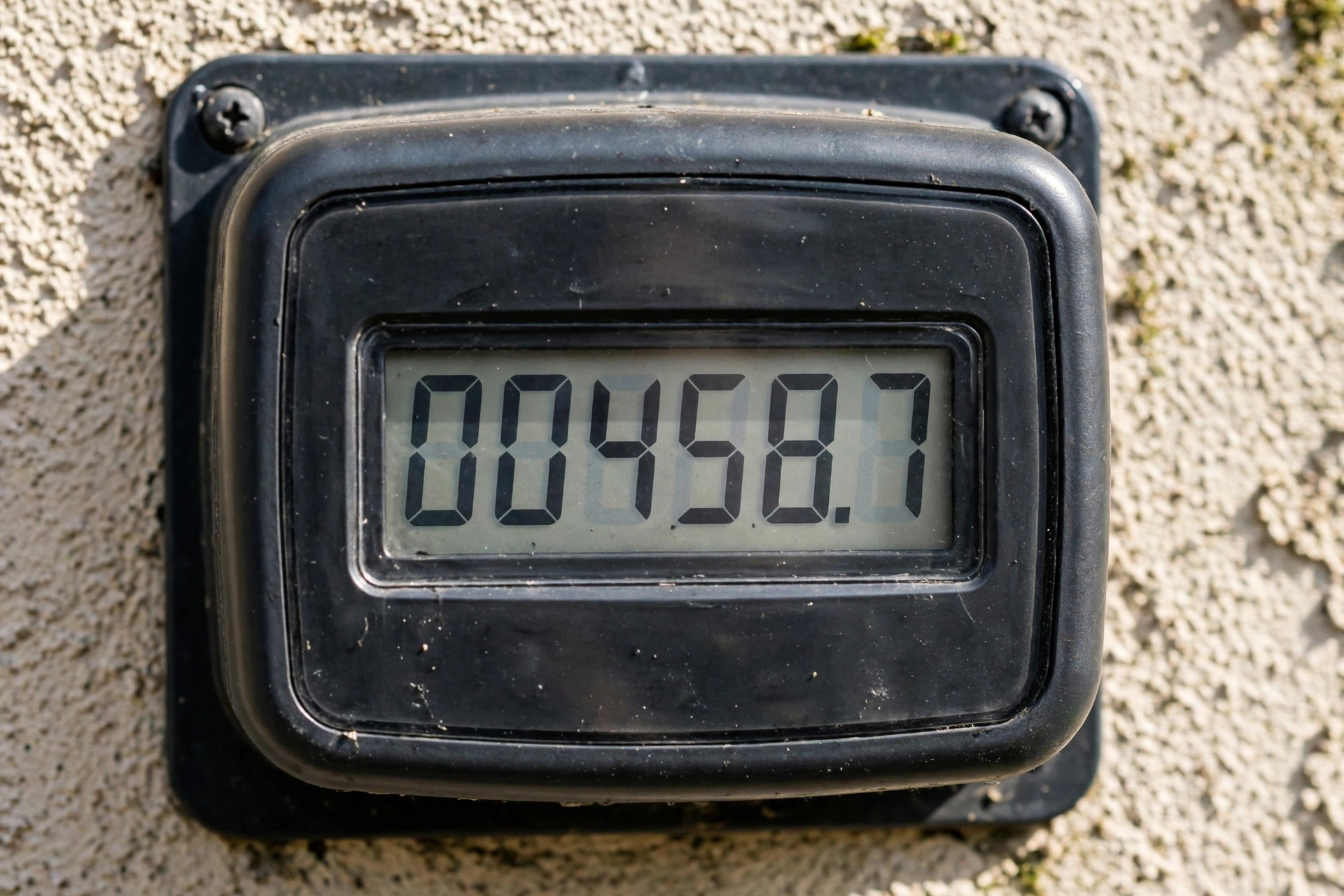
Your electricity meter is the one witness that knows exactly how much power your home uses — and it is worth learning to read it yourself. A monthly habit of noting your meter reading takes two minutes, lets you check that your bill is honest, and helps you spot when your usage is creeping into the expensive slabs. Here is how to read both kinds of meters used in Pakistan and how to turn the numbers into units.
The two kinds of meters in Pakistan
Most homes have one of two meter types. Digital (static) meters are now the most common: they have an LCD screen that cycles through several readings, such as the current kWh total, the time of day and sometimes the maximum demand. Analogue (electromechanical) meters are the older spinning-disc type with a row of rotating number dials. New connections are nearly always digital now, but plenty of analogue meters are still in service.
Reading a digital meter
Stand in front of the meter and look at the display. It usually shows readings in a loop — wait a few seconds until you see the figure marked kWh (sometimes labelled “current reading” or “total energy”). That number, typically five or six digits, is your cumulative meter reading: the total units the meter has recorded since it was installed. Ignore the small decimal digits after the point — billing counts whole units only. If your meter supports time-of-use billing, you may also see separate registers for peak and off-peak hours; your bill guide explains how those appear on the bill.
Reading an analogue dial meter
Analogue meters show the reading on a row of five or six numbered wheels. Read them left to right and write down each digit. When a wheel sits exactly between two numbers, take the lower number — unless the wheel to its right has already passed zero, in which case take the higher one. The spinning aluminium disc below is just the movement indicator; it does not show the reading. Take a photo of the dials so you have proof if the reading on your bill later disagrees.
How to calculate your units
The formula could not be simpler:
Units consumed = current reading − previous reading
Your previous reading is printed on your bill (or visible on your bill check page once you enter your reference number — if you have lost it, here is how to find your reference number). Subtract that from the number you just read on the meter and you have the units used since the last billing.
A worked example: suppose your bill shows a previous reading of 12,450 and your meter now reads 12,786. Your consumption is 12,786 − 12,450 = 336 units. If the figure on your bill is much higher than your own calculation, the meter reader may have recorded it wrong — or the bill may be based on an estimated reading, which the bill usually marks as “provisional”.
Read the meter on a schedule
Meters are normally read once a month on a fixed cycle. Note your reading on the 1st of every month (or whatever date your bill’s meter-reading date shows) and keep the numbers in your phone’s notes app. Over a few months you will see your pattern clearly — and you will know exactly which appliances are pushing you into the expensive upper slabs. Our guide on why bills shoot up in summer shows the usual culprits.
What to do if the reading looks wrong
First, double-check that you read the right register — digital meters cycle through several screens and it is easy to note the wrong one. Then compare against your bill’s “current reading” line. Small differences are normal if a few days have passed since the official reading. But if the bill’s reading is far above what the meter shows, visit your DISCO’s customer service centre with a photo of the meter and your bill; billing corrections are made through a formal adjustment, and you should not pay an inflated reading silently.
If the meter itself seems faulty — the display is blank, the digits are frozen, or the analogue disc spins even when everything is switched off — report it to your distribution company. A faulty meter is usually replaced free of charge, though the company may estimate your bill for the months the meter was out of order.
Estimate your bill before it arrives
Once you know your units, you can estimate the bill yourself: multiply the units by your slab rate and add the usual taxes and charges (our electricity bill taxes breakdown lists them all). Even easier, plug the number into the bill estimator on our homepage — no more month-end surprises. Reading your meter is a small habit; understanding it puts you back in control of the bill.
Leave a Reply