Every electricity bill in Pakistan carries the name of a distribution company — LESCO, MEPCO, IESCO, K-Electric and the rest. Yet when the lights go out or a bill looks wrong, many people still say “WAPDA did this.” The confusion is understandable: WAPDA was once the single giant running Pakistan’s entire power system. Here is what WAPDA actually does today, what the DISCOs do, and who you should really call.
What WAPDA is today
WAPDA (the Water and Power Development Authority) was set up in 1958 to build the country’s water and power infrastructure — dams, reservoirs and the first big transmission networks. Over the years the power side was unbundled: generation, transmission and distribution were handed to separate companies and authorities, including the National Transmission and Despatch Company (NTDC) for the high-voltage grid.
Today, WAPDA is mainly a hydel and water organisation: it runs the big dams and hydropower stations such as Tarbela and Mangla. It does not generate your bill, read your meter, or fix faults on your street. If a problem affects your home’s supply or your bill, WAPDA is almost never the right door to knock on.
What the DISCOs are
DISCOs are the distribution companies that buy electricity in bulk and sell it to you. There are ten of them, each covering a defined region:
LESCO (Lahore and central Punjab), GEPCO (Gujranwala), FESCO (Faisalabad), IESCO (Islamabad and surroundings), MEPCO (Multan and south Punjab), PESCO (Peshawar and Khyber Pakhtunkhwa), HESCO (Hyderabad), SEPCO (Sukkur and upper Sindh), QESCO (Quetta and Balochistan), and TESCO (tribal districts).
K-Electric is a separate case: it serves Karachi and nearby areas as a vertically integrated, privately owned utility — it generates, transmits and distributes its own power. That is why Karachi residents deal with K-Electric rather than any DISCO, and why our K-Electric bill checker is separate from the LESCO checker and others.
Who to contact for what
The rule is simple: everything about your connection and bill goes to your DISCO (or K-Electric). That includes new connections, meter faults, billing corrections, load-shedding schedules and complaint registration. Each company runs its own helpline and customer service centres — for example, LESCO’s is 118.
You can also handle most billing questions online. Select your company on our homepage or use the dedicated checker pages to view your latest LESCO bill, see the units consumed and confirm the amount before paying. If you are moving or setting up a new connection, read our new connection guide first — the process runs entirely through your DISCO.
Why the distinction matters for your bill
Your DISCO’s name appears at the top of the bill along with your reference number, and the first digits of that number often encode which company issued it. Slab rates, fuel price adjustments and taxes are set nationally, so the structure of the bill is similar everywhere — but who reads your meter, who issues the bill and who fixes problems is always your local company. Knowing that stops you queuing at the wrong office.
One more practical point: when you complain about a wrong reading or a billing error, quote your reference number and the billing month, and take your complaint number from the helpline. Escalation goes through the DISCO’s own grievance process and then the regulator’s consumer complaint cell — WAPDA’s offices have no role in it.
The short version
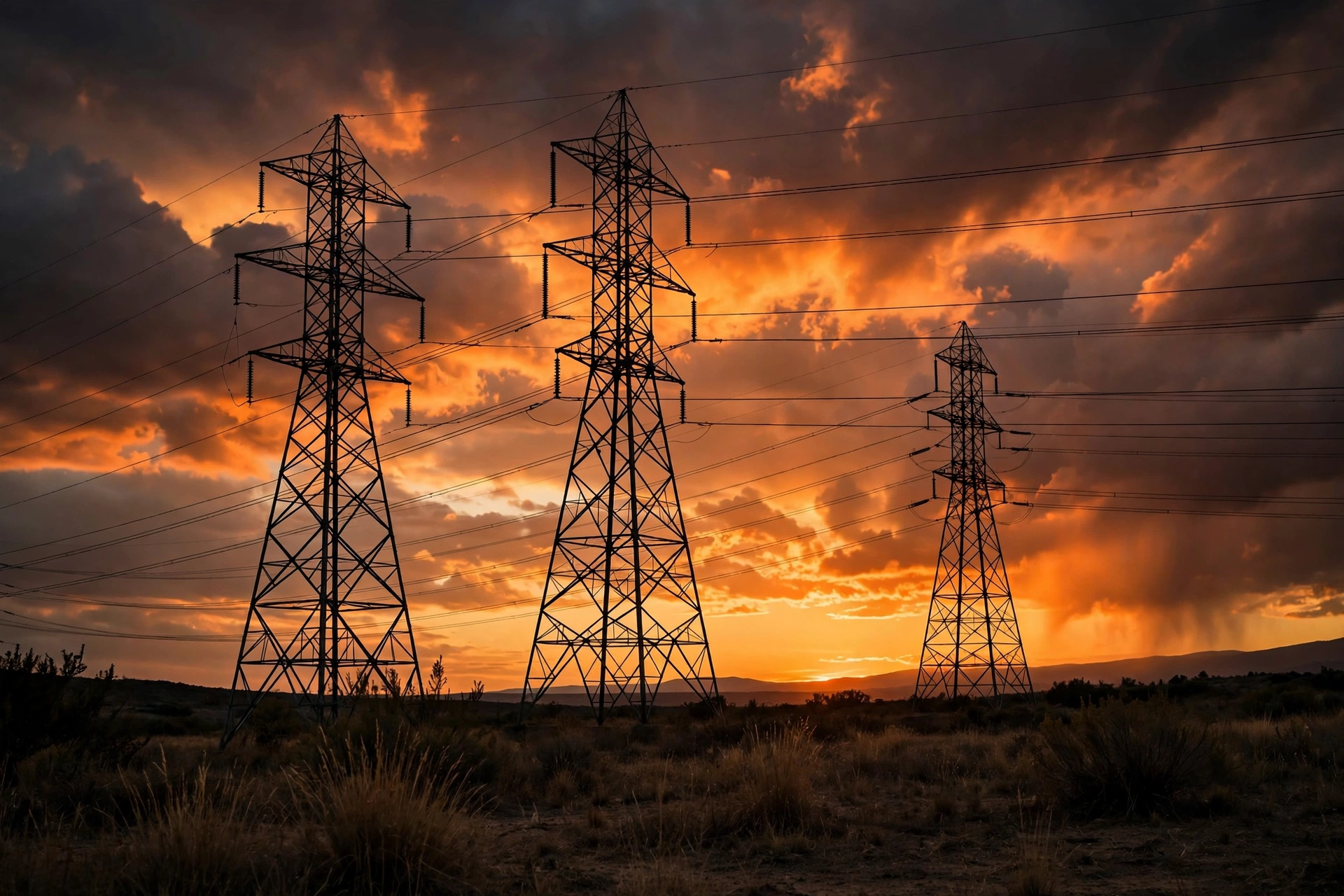
Think of it like this: WAPDA builds and runs the dams; NTDC carries power across the country on the big transmission towers; and your DISCO (or K-Electric) delivers it to your home and bills you for it. Ten DISCOs, one per region, plus K-Electric for Karachi — and every billing question starts and ends with them.
Leave a Reply